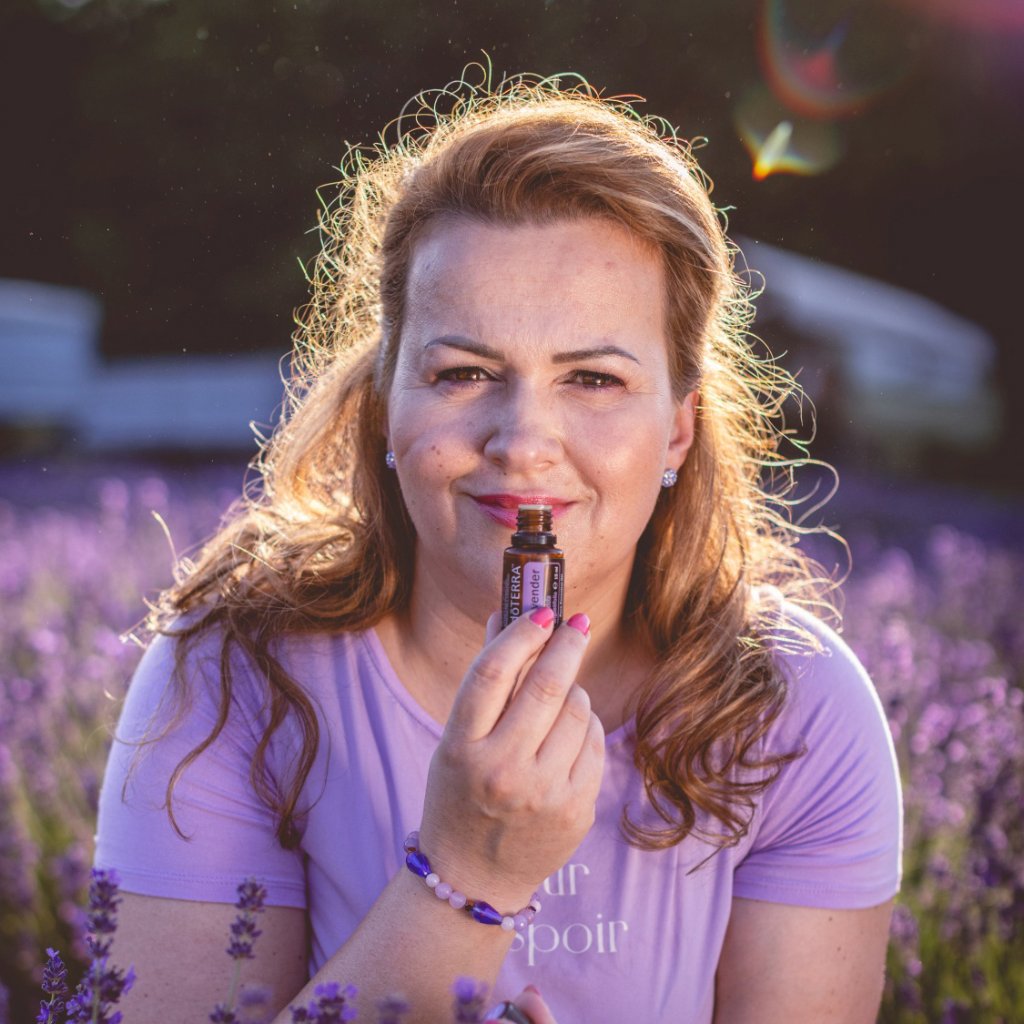
Do Essential Oils Expire?
Essential oils are derived from plants and are cherished for their aromatic and therapeutic properties. As beloved as they are, many users often wonder: when does essential oil expire? The answer isn’t straightforward, as the longevity of essential oils can vary based on type, storage conditions, and other factors.
Understanding Essential Oil Shelf Life
The shelf life of essential oils generally ranges from 1 to 8 years, depending on the oil’s chemistry and how it’s stored. Here’s a breakdown of typical shelf lives for various essential oils:
- Topical Oils (e.g., Lavender, Peppermint): 3-5 years
- Citrus Oils (e.g., Lemon, Orange): 1-2 years
- Base Oils (e.g., Frankincense, Myrrh): 5-8 years
For example, doTERRA Lemon Essential Oil, made from fresh lemon peel, tends to have a shorter shelf life, approximately 1-2 years, while doTERRA Frankincense Essential Oil has a much longer shelf life of about 5-8 years.
How to Store Essential Oils Properly
Proper storage plays a crucial role in extending the shelf life of your essential oils. Here are some practical tips on how to store essential oils effectively:
- Keep Them in Dark Glass Bottles: Essential oils should be stored in dark amber or cobalt blue bottles to protect them from light.
- Avoid Heat and Humidity: Store your oils in a cool, dark place, such as a cupboard or drawer, away from sunlight and humidity.
- Seal Tightly: Ensure the lids are sealed tightly to prevent evaporation and oxidation.
- Label Your Bottles: Clearly label each bottle with the name and expiration date to easily keep track of their age.
By following these storage guidelines, you can significantly extend the life of your essential oils.
Determining Expiry Dates
Here are a few signs that may indicate your essential oil has expired:
- Altered Odour: If the scent has changed significantly or has a rancid smell, it might be time to discard it.
- Cloudy Appearance: A change in the clarity of the oil, particularly in citrus oils, is a sign of deterioration.
- Sticky Residue: An oily residue left around the cap or bottle indicates oxidation.
For essential oils, it’s advisable to err on the side of caution. If you're uncertain about an oil's quality, it's best to replace it.
DIY Essential Oil Blends for Longevity
For those passionate about creating their own essential oil blends, understanding shelf life is key. Here’s a simple guide on a DIY blend that can last a longer time:
- Choose Base Oils: Select oils known for their longer shelf life (e.g., Frankincense).
- Add Topical Oils: Incorporate oils like Lavender or Rosemary in moderation.
- Mix Properly: Combine equal parts (e.g., 5 drops of each oil) in a dark glass bottle.
- Label and Store: Seal tightly and label with the blend name and date.
For this blend, we recommend doTERRA Frankincense Essential Oil, which not only has a rich aroma but also possesses a longer shelf life.
Frequently Asked Questions
What happens if I use expired essential oils?
While using expired essential oils is unlikely to be harmful, their effectiveness may diminish, and the scent may not be as pleasant.
Can I extend the shelf life of essential oils?
Yes, proper storage in dark glass bottles in a cool, dry place can help extend their shelf life. Always seal the bottles tightly after use.
Do different types of essential oils expire at different rates?
Yes, natural chemical compositions influence their shelf life, with citrus oils generally having a shorter lifespan compared to base oils.
Conclusion
Understanding essential oil shelf life is essential for getting the most out of your oils. By following proper storage practices and being aware of the signs of expiry, you can enjoy the benefits of essential oils for as long as possible.
Recommended Products
Related articles
Was this article helpful?