Understanding Essential Oils and Their Safety for Cats
As a responsible pet owner, it's natural to be concerned about the products you use in your home, particularly with essential oils becoming increasingly popular. While essential oils can create a soothing atmosphere and promote well-being, it is crucial to understand how they affect our feline companions.
What Essential Oils Are Safe for Cats?
When considering essential oils for your cats, it is essential to proceed with caution. Unlike humans, cats have a different metabolic system that may react negatively to certain oils. Here are some essential oils that are generally considered safe for cats when used properly:
- Lavender: Traditionally used for its calming properties, lavender oil may help soothe anxious cats.
- Frankincense: Known for its grounding qualities, frankincense can create a peaceful environment.
- Chamomile: This oil is often used to calm and relax.
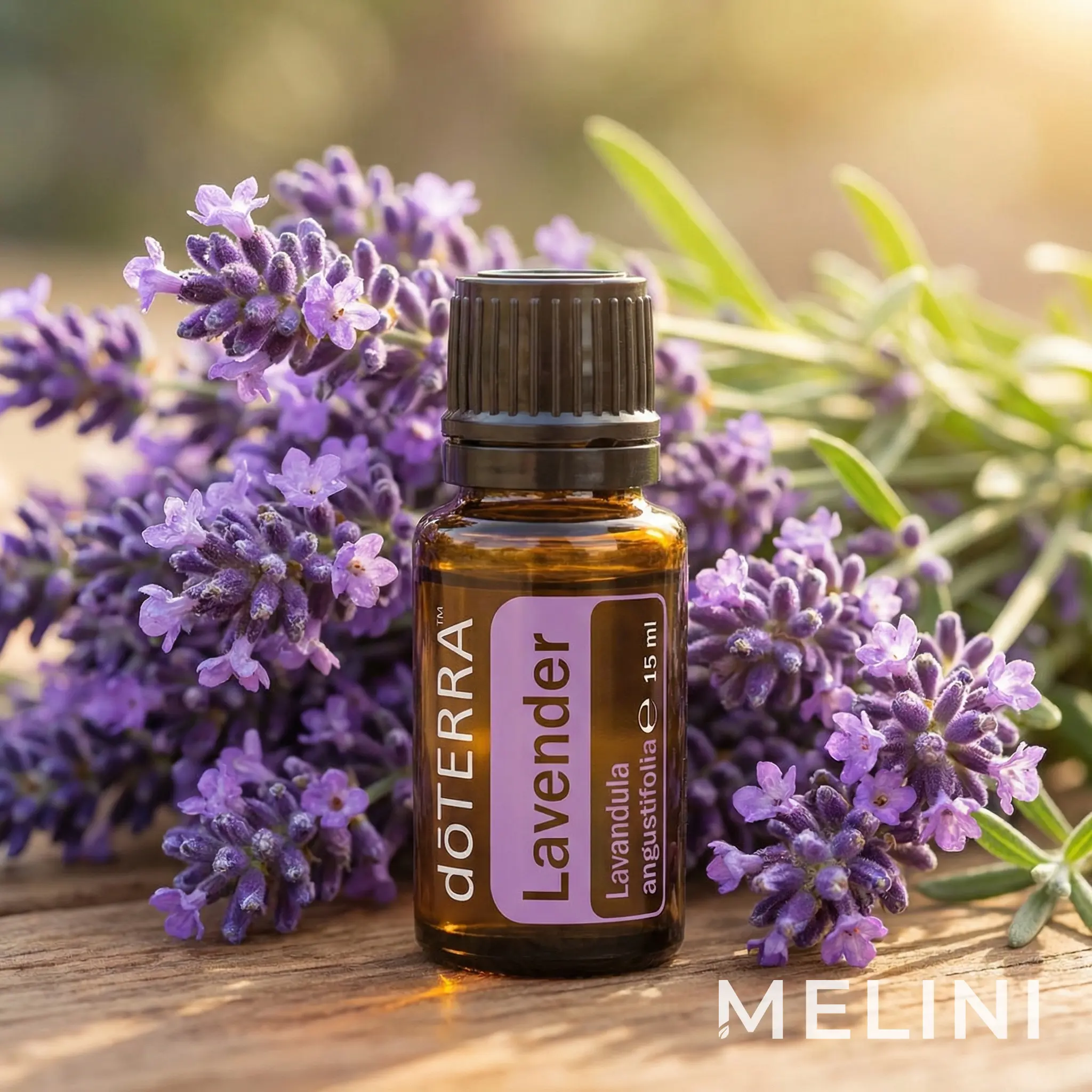
For calming support, consider using doTERRA Lavender Essential Oil.
Are Essential Oil Diffusers Safe for Cats?
Essential oil diffusers can create a pleasant atmosphere, but it's important to use them with caution around cats. Many essential oils can be toxic to felines. If you choose to use a diffuser:
- Choose safe oils such as lavender or chamomile.
- Ensure the area is well-ventilated.
- Monitor your cat for any signs of discomfort, such as excessive sneezing, coughing or lethargy.
- Limit the time the diffuser is running.
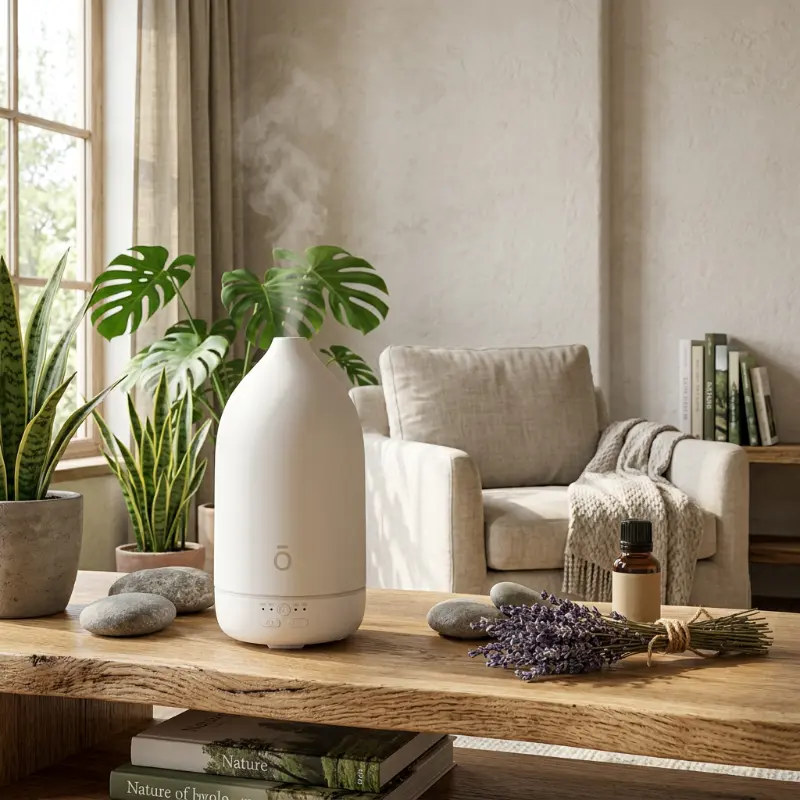
A great option for diffusing essential oils safely is the doTERRA Laluz Diffuser, which provides a subtle way to disperse scents without overwhelming your cat.
How to Introduce Essential Oils to Your Cat
When introducing essential oils into a household with a cat, it’s vital to do so gradually. Here’s a step-by-step guide to ensure your cat adjusts well:
- Start with One Oil: Begin with a single, cat-safe essential oil.
- Check for Reactions: Monitor your cat for any signs of adverse reactions over a few days. Look for signs like sneezing, lethargy, or change in behaviour.
- Use in Small Amounts: Use only a drop or two in a diffuser or diluted in a carrier oil for topical use (never apply undiluted oil directly to your cat).
- Ensure Ventilation: Keep the area well-ventilated to ensure your cat can easily leave the space if it feels uncomfortable.
- Consider Alternatives: If your cat does not respond well to the oil, consider aromatherapy through scentless means, like treats or toys.
Potential Risks of Essential Oils for Cats
While some essential oils are considered safe for cats, many others can pose risks, including:
- Pennyroyal: Can be toxic and is advised against.
- Tea Tree: Highly toxic to cats and should never be used.
- Citrus Oils: Oils derived from citrus fruits are toxic to cats and should be avoided.
Always consult with a veterinarian before introducing new products or changes into your cats' environment.
Frequently Asked Questions
Can I use essential oils on my cat directly?
No, it is generally advised not to apply essential oils directly to your cat's skin without veterinary guidance, as it can lead to adverse reactions.
How do I know if my cat is reacting poorly to an essential oil?
Signs of a negative reaction include excessive grooming, lethargy, vomiting, or changes in appetite. If you notice these signs, discontinue use immediately.
What should I do if my cat ingests essential oils?
If you suspect your cat has ingested essential oils, contact your veterinarian or local emergency animal clinic right away for guidance.
Conclusion
Essential oils can offer many benefits but also come with risks, particularly for pets like cats. By selecting safe options and using them judiciously, pet owners can create a calming environment without jeopardising their feline friends' health. Remember to observe your cat's reactions and consult a vet when in doubt.
Recommended Products


Related articles
Was this article helpful?