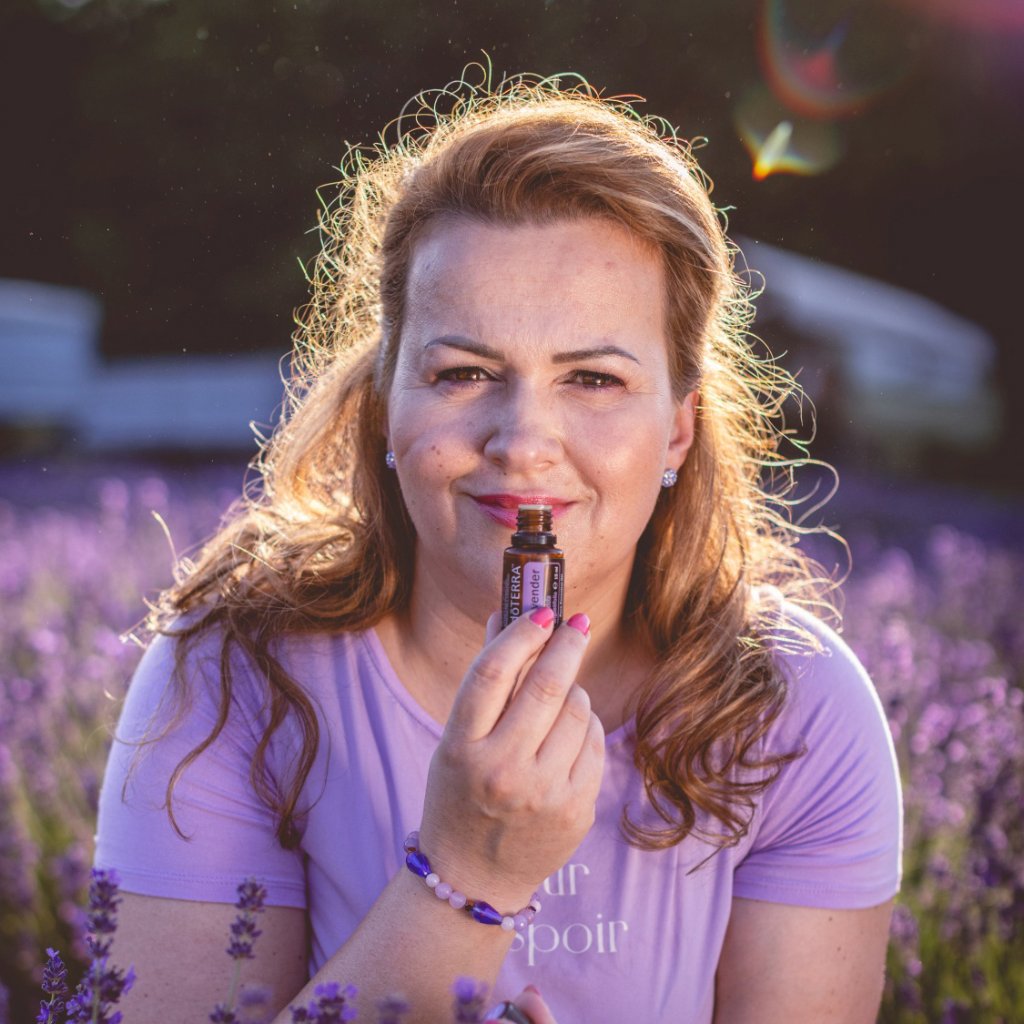
How to Layer and Blend Essential Oil Scents Like a Perfumer
Creating your own unique scent with essential oils can be an enjoyable and rewarding experience. By understanding how to blend essential oils effectively, you can formulate fragrances that reflect your personal preferences while potentially serving various aromatherapy purposes. This guide will introduce you to the world of essential oil scent layering, the significance of top, middle, and base notes, and provide practical steps for making your own blend.
Understanding the Basics of Essential Oil Blending
Before diving into the blending process, it’s essential to grasp the concept of fragrance notes. There are three primary categories:
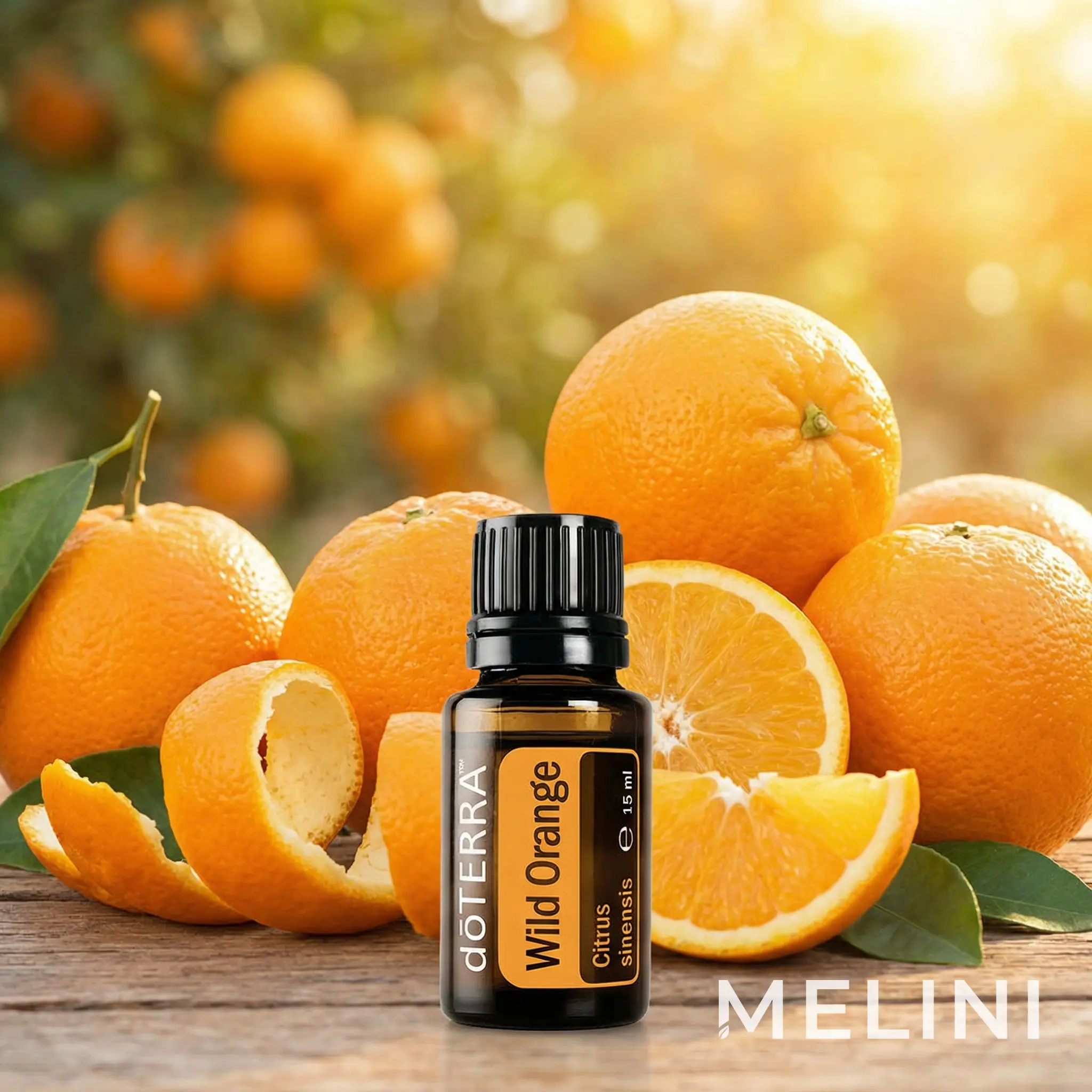
- Top Notes: These are the first scents you perceive and tend to evaporate quickly. Common top notes include citrus oils like doTERRA Wild Orange Essential Oil and bergamot oils.
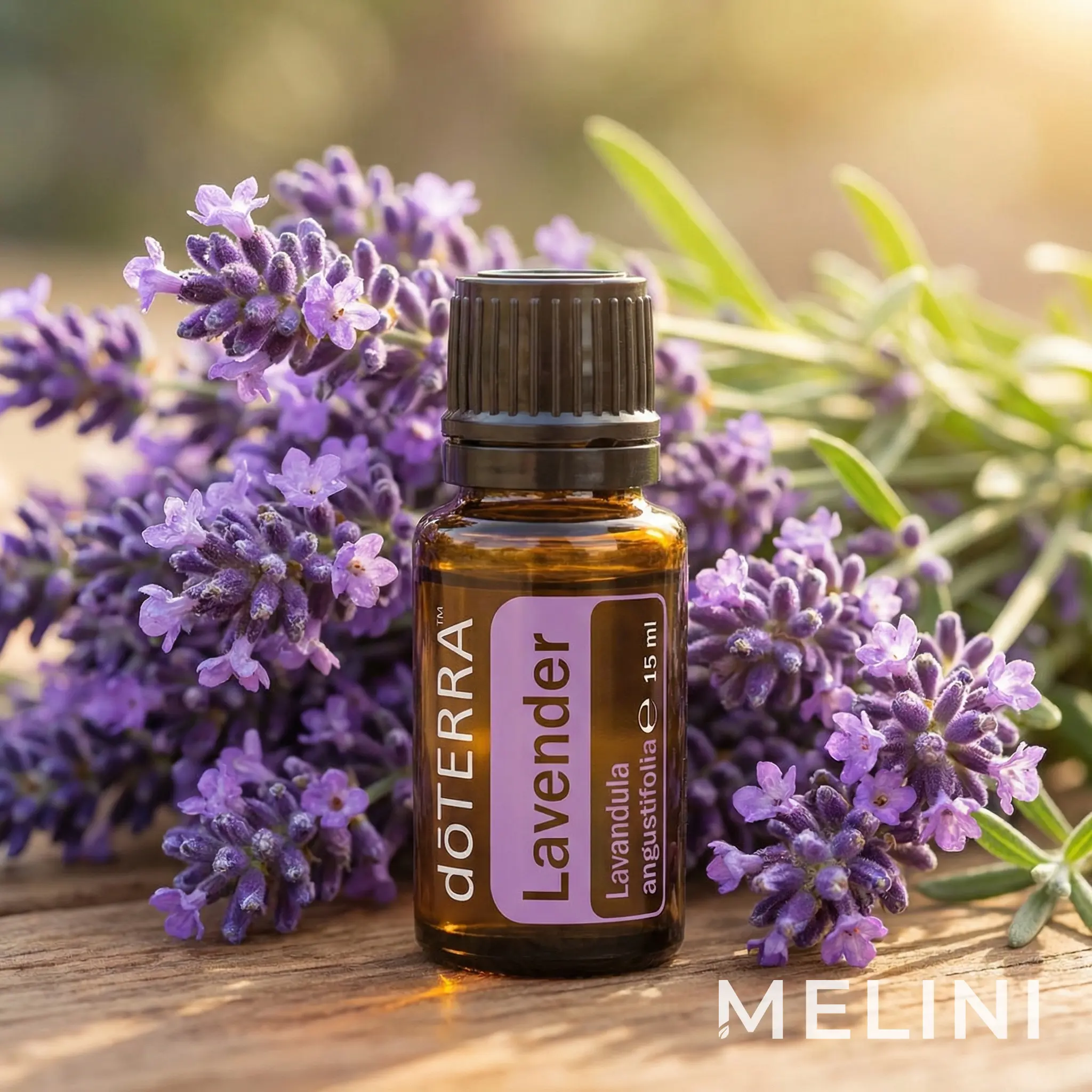
- Middle Notes: Also known as heart notes, they emerge just after the top notes dissipate and form the main body of the fragrance. Floral oils like doTERRA Lavender Essential Oil are typical examples.
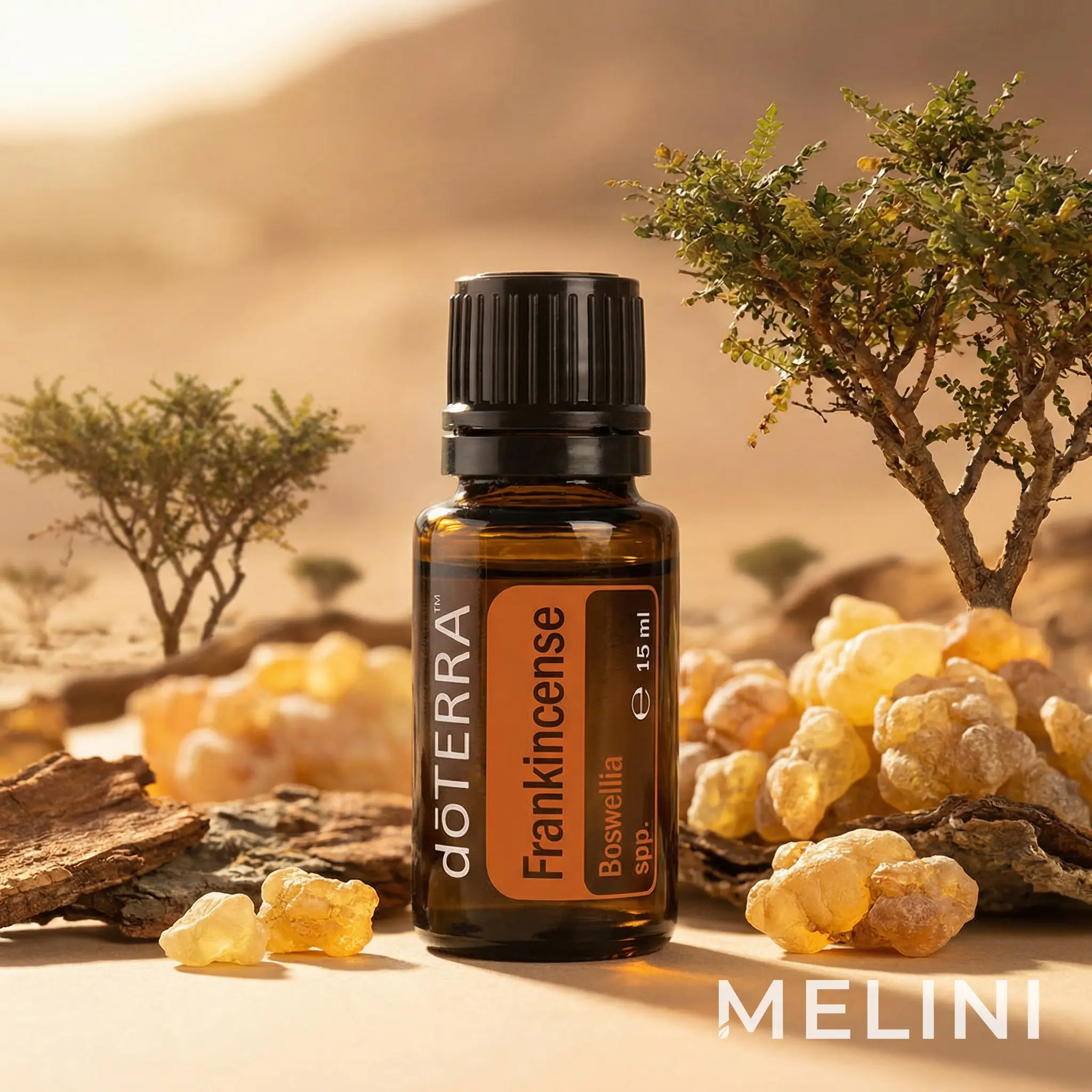
- Base Notes: These scents linger the longest and provide depth to your blend. Oils such as frankincense, found in doTERRA Frankincense Essential Oil, serve this function beautifully.
The Art of Scent Layering
Essential oil scent layering is about balancing these three notes to create a harmonious fragrance. Below are some practical steps to guide you:
Step-by-Step Guide to Making Your Own Blend
- Select Your Oils: Choose 3-5 oils that you enjoy. Aim for a combination that includes base, middle, and top notes.
- Understand Ratios: A common ratio is 30% top notes, 50% middle notes, and 20% base notes. Start with a drop or two of each oil.
- Mix Your Blends: In a dark glass bottle (to protect the oils from light), start by adding your base notes first, then the middle notes, and finally the top notes.
- Test and Adjust: After mixing, let your blend sit for a day or two. This allows the scents to meld. Test the fragrance and adjust if necessary. You might want to add more of one note to balance your blend.
- Store Properly: Keep your essential oil blend in a cool, dark place. Always label your blends with the ingredients and date.
Blending Suggestions
Here are some simple blends to inspire you:
- Citrus Fresh: 3 drops of Wild Orange, 2 drops of bergamot, and 1 drop of lavender.
- Relaxing Lavender: 3 drops of Lavender, 2 drops of frankincense, and 1 drop of wild orange.
- Grounding Blend: 2 drops of frankincense, 3 drops of bergamot, and 2 drops of lavender.
Frequently Asked Questions
Can I use carrier oils in my blends?
Yes, carrier oils can be beneficial for dilution, especially for topical applications. They also help extend the longevity of your fragrance.
Do I need special tools to blend essential oils?
While specialised equipment is not necessary, having a set of measuring droppers and dark glass bottles will enhance your blending experience.
How do I know when my blend is ready?
Allow your blend to sit for at least 48 hours. The scents will evolve as they mix, and you may find that it smells different compared to when you first created it.
Conclusion
Blending and layering essential oils can be a delightful journey into the realm of scents. With a foundational understanding of top, middle, and base notes, and by following the steps outlined above, you can create your unique fragrances tailored exactly to your taste.
Recommended Products

doTERRA
15 ml
doTERRA Bergamot Oil 15 ml

doTERRA
15 ml
doTERRA Frankincense Essential Oil 15 ml
Skin & Beauty

doTERRA
15 ml
doTERRA Lavender Essential Oil 15 ml
Sleep & Relaxation

doTERRA
15 ml
doTERRA Wild Orange Essential Oil 15 ml
Mood & Uplifting
Related articles
doTERRA On Guard vs Air (Breathe): Choosing Your Protective Blend
Essential Oil vs Fragrance Oil: Key Differences Explained
Understanding doTERRA: CPTG Quality and Its Importance
Essential Oils for Sleep & Relaxation: A Beginner's Guide
Was this article helpful?