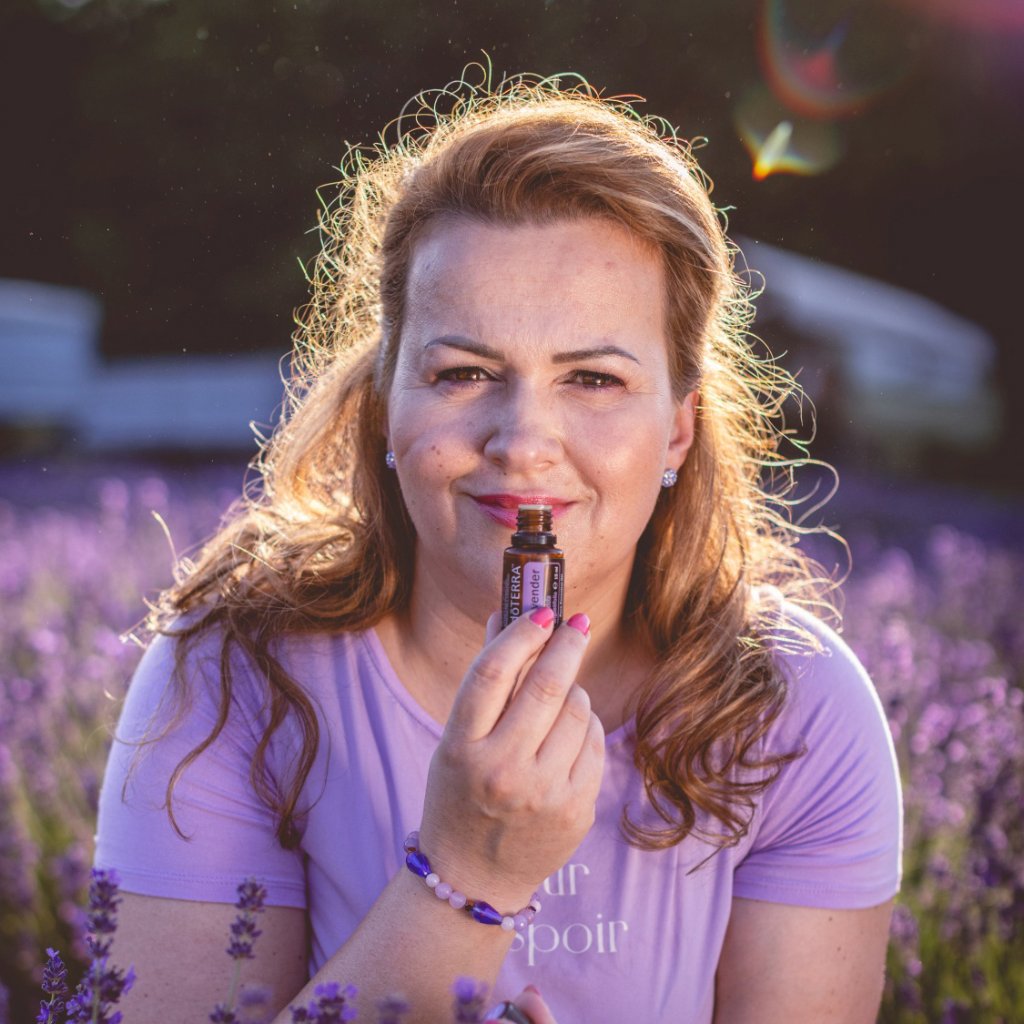
Can Essential Oils Be Used on Skin?
Essential oils have gained popularity for their aromatic benefits and potential skincare properties. But can essential oils be used on skin? Yes, essential oils can be beneficial for the skin, but it’s crucial to use them properly to ensure safety and efficacy.
The Importance of Dilution
One of the most vital aspects of using essential oils on the skin is understanding essential oil dilution. Pure essential oils are highly concentrated and can cause skin irritation or sensitisation if applied directly. Dilution with a carrier oil not only mitigates these risks but may also enhance the absorption and effectiveness of the oil.
What is Essential Oil Dilution?
Essential oil dilution is the process of blending essential oils with carrier oils before topical application. This is especially important for individuals with sensitive skin, children, or those new to essential oil use.
Recommended Ratios for Dilution
Here are some recommended dilution ratios based on usage:
- For general use (such as daily skincare): 2% dilution (approximately 12 drops of essential oil per 30 ml of carrier oil).
- For children aged 2-12: 1% dilution (approximately 6 drops of essential oil per 30 ml of carrier oil).
- For sensitive skin or first-time users: 0.5% dilution (approximately 3 drops of essential oil per 30 ml of carrier oil).
- For targeted applications: 5-10% dilution might be appropriate, depending on the oil and the area treated.
How to Dilute Essential Oils
Here’s a simple step-by-step guide to dilute essential oils:
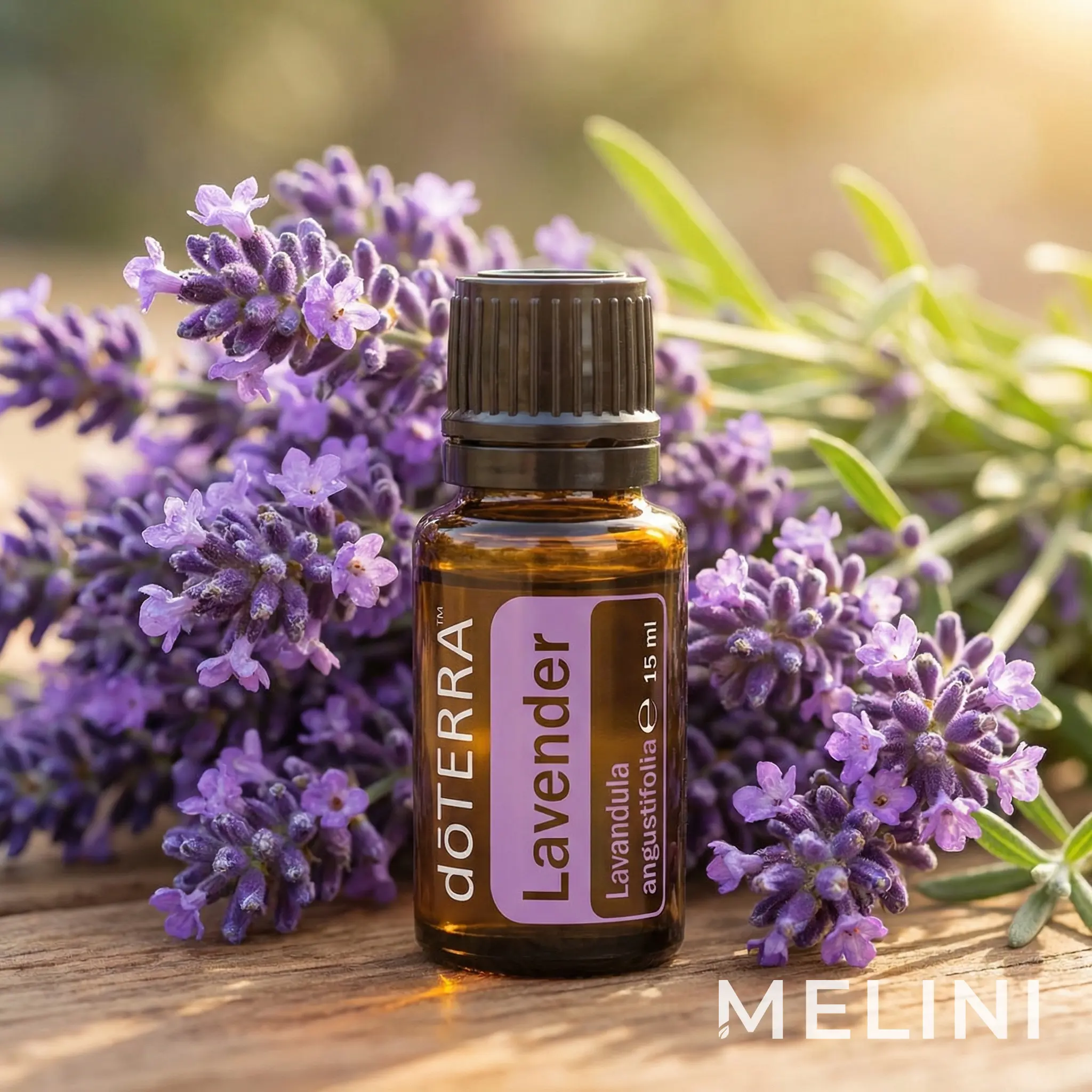
- Choose your essential oil. For example, doTERRA Lavender Essential Oil is traditionally used for relaxation.
- Select an appropriate carrier oil, such as sweet almond oil, jojoba oil, or coconut oil.
- In a clean glass container, add the desired number of drops of essential oil based on the dilution ratio.
- Add the carrier oil up to the target volume (for example, 30 ml for most dilution purposes).
- Mix gently to combine, and your blend is ready to use!
Choosing a Carrier Oil
Carrier oils are essential for diluting essential oils and can provide added benefits. Here are a few popular carrier oils you might consider:
- Sweet Almond Oil: Great for nourishing the skin and suitable for most skin types.
- Jojoba Oil: Mimics the skin’s natural oils, making it an excellent option for moisturising without clogging pores.
- Coconut Oil: Offers deep hydration, though it can be heavier and may not be suitable for all skin types.
- Grapeseed Oil: Lightweight and good for oily skin, it absorbs quickly.
Essential Oils for Skin Care
When considering essential oils for skin, here are some popular options:
- Lavender Essential Oil: Well-known for its calming properties and may help with minor skin irritations.
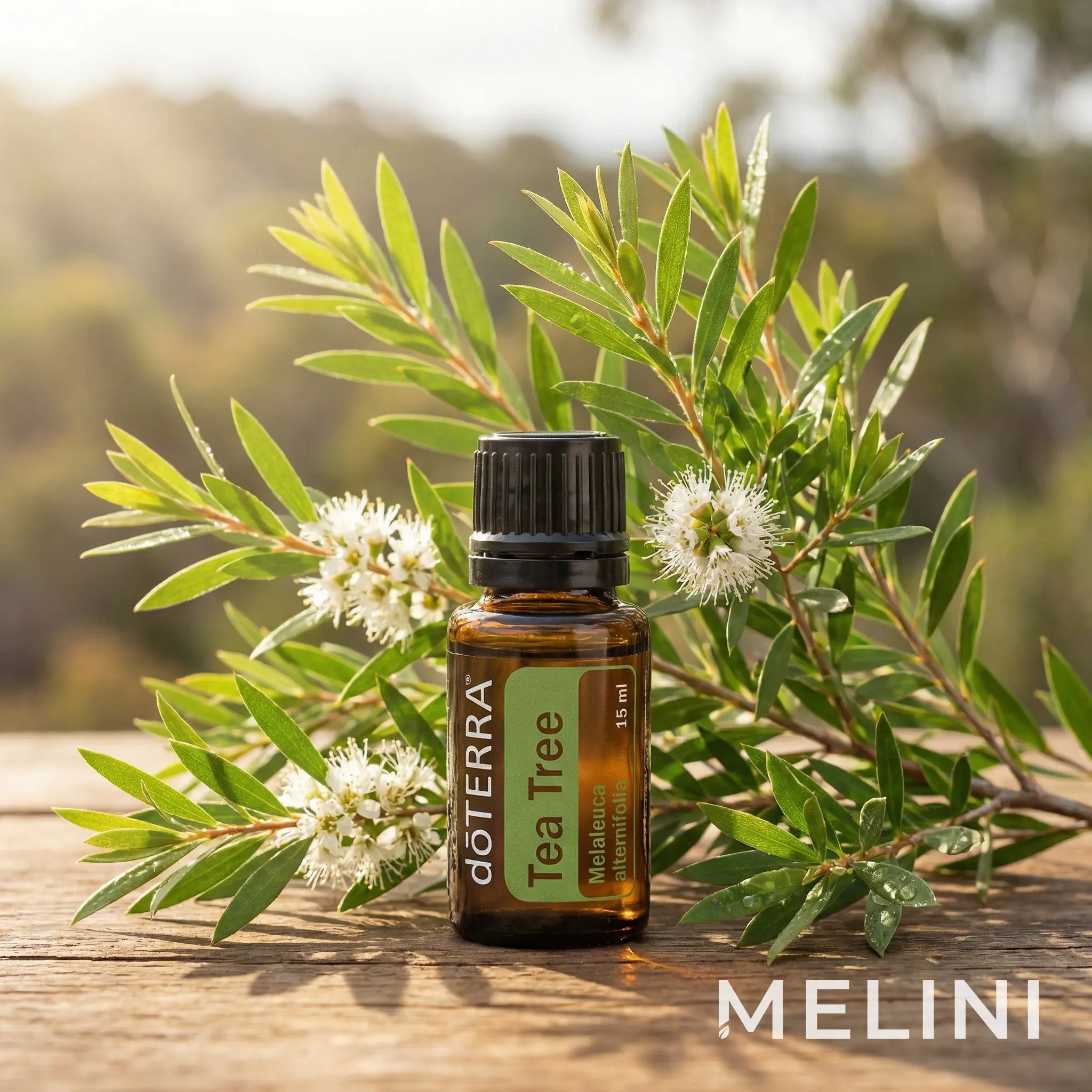
- Tea Tree Oil: Traditionally used for its purifying properties, perfect for blemishes. Check our doTERRA Tea Tree Oil.
- Frankincense Oil: Renowned for promoting healthy-looking skin.
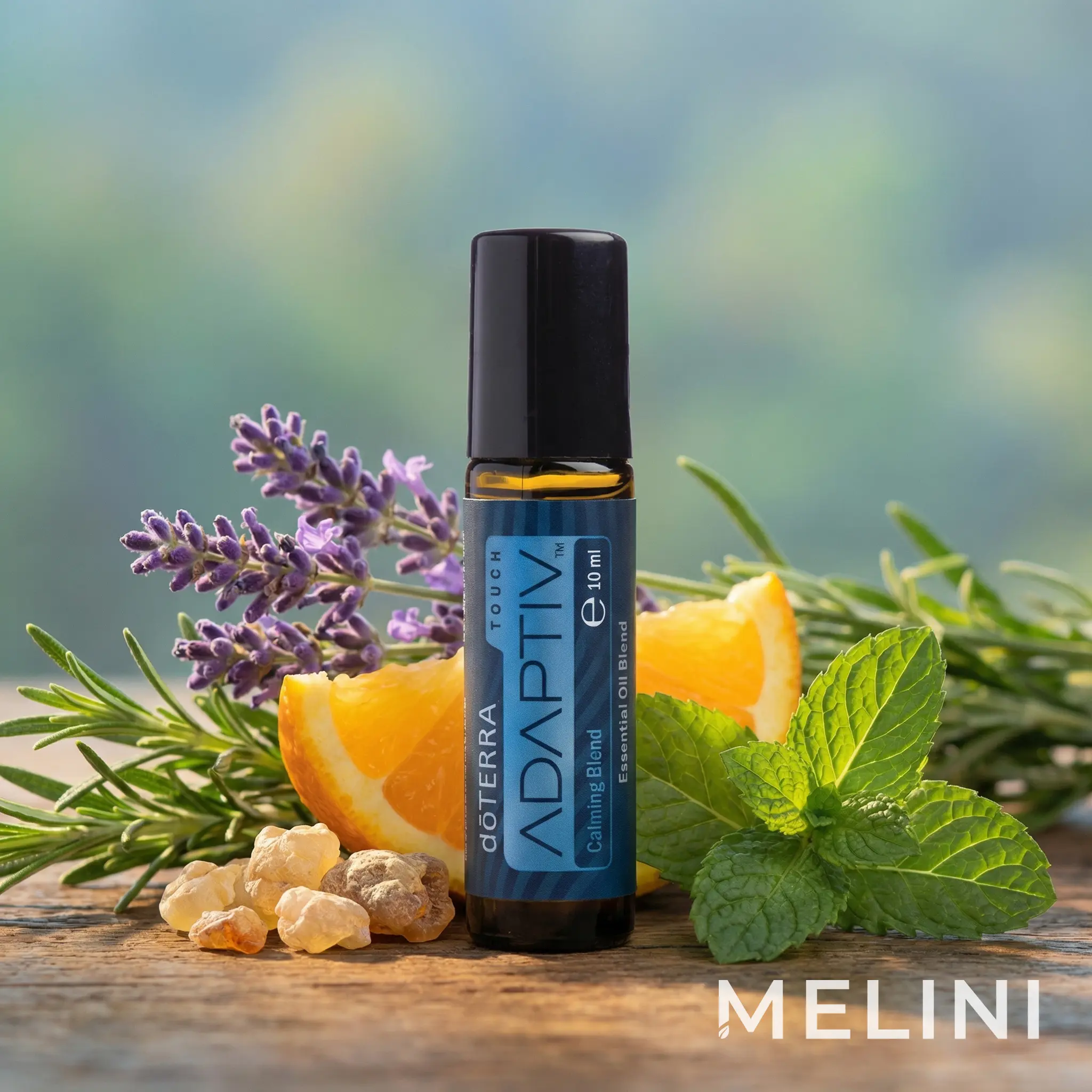
- Adaptiv Touch: A convenient essential oil blend designed to help with emotional balance, available as a roll-on for ease of application. Check doTERRA Adaptiv Touch.
Frequently Asked Questions
Can you apply essential oils directly to the skin?
It is generally not recommended to apply essential oils directly to the skin without dilution due to their potency. Always use a carrier oil for safekeeping.
What is the best carrier oil for essential oils?
The best carrier oil depends on your skin type and preferences. Sweet almond oil and jojoba oil are popular, but all the options mentioned above can be effective.
How do I know if an essential oil is safe for my skin?
Always perform a patch test before using a new essential oil. Apply a diluted amount to a small area of the skin and wait 24 hours to see if any reaction occurs.
In conclusion, essential oils can be a wonderful addition to your skincare routine when used safely. Remember to dilute properly and choose a suitable carrier oil for the best results.
Recommended Products



Related articles
Safe Essential Oil Use: Dilution & Application Guide
Carrier Oils Explained: Choosing for Essential Oils
Essential Oil Dilution Guide: Safe Use for All Ages & Skin Types
Essential Oils to Avoid Diffusing Around Pets
Was this article helpful?