
The Magic of doTERRA Oils' Quality
 Gloria Halim16 Aug 2026
The doTERRA brand has been one of the most well-known and trusted names in the world of essential oils for many years, perhaps needing no introduction. The popularity of essential oils is growing...
The doTERRA brand has been one of the most well-known and trusted names in the world of essential oils for many years, perhaps needing no introduction. The popularity of essential oils is growing, as they offer natural solutions to numerous health and wellness concerns. But why do many choose doTERRA oils?
History of doTERRA Oils
doTERRA was founded in 2008 with the mission to offer the highest quality essential oils in the world. The brand is committed to sustainability and ethical sourcing, procuring the finest raw materials from various regions around the globe. doTERRA products are made according to the CPTG (Certified Pure Therapeutic Grade) standard, which guarantees the highest purity and potency.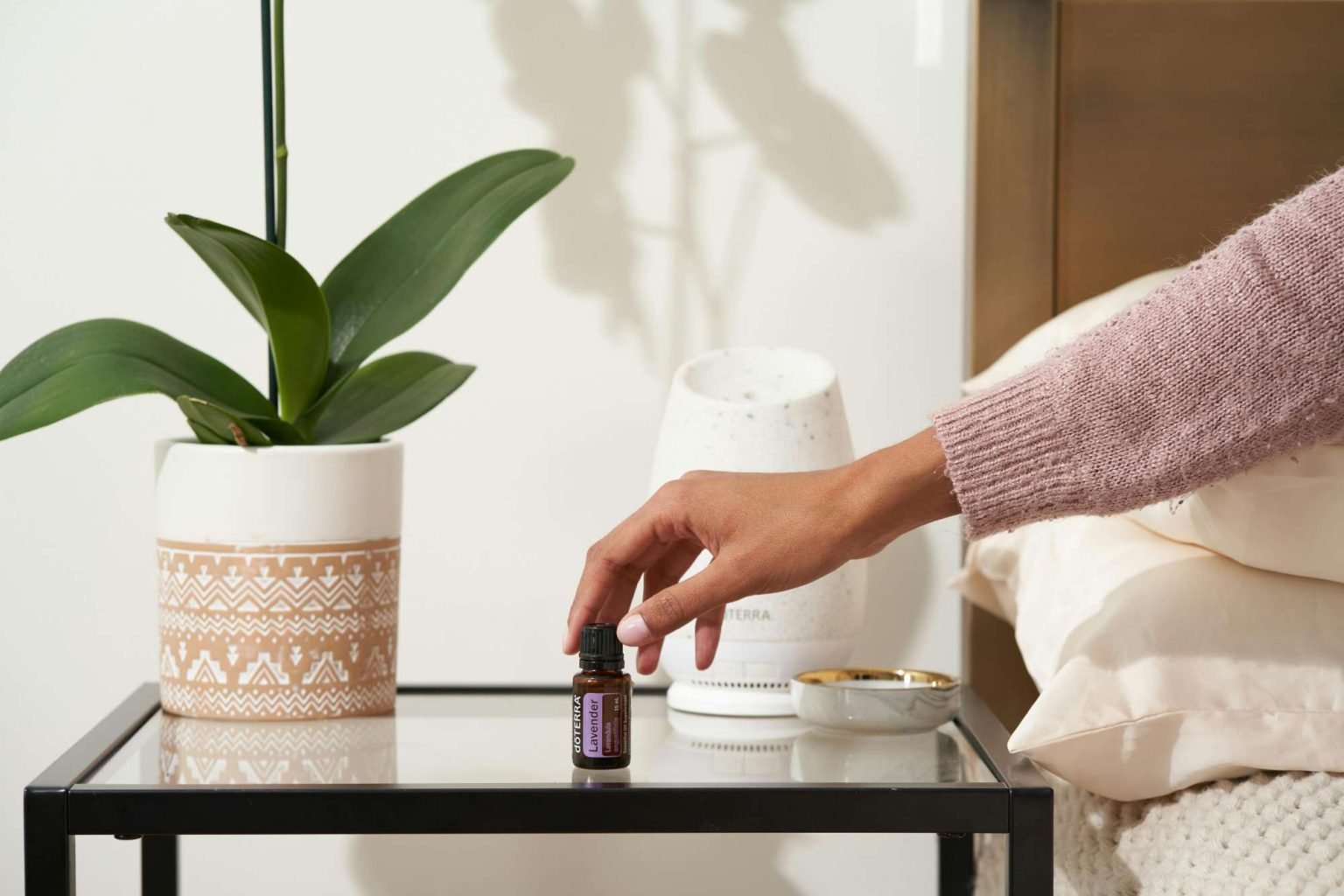
Uses of Essential Oils
You can use essential oils in several ways. By using a diffuser, you can purify and scent the air while enjoying the beneficial effects of your chosen essential oils. For topical application, dilute the oils with a carrier oil (such as coconut oil) and then apply directly to the skin. Some essential oils, such as lemon or peppermint, can also be safely consumed internally, but always follow doTERRA's guidelines.
Recipe Ideas
You can make a spray for restful sleep by mixing lavender and chamomile oils with water in a spray bottle and misting it onto your pillow before bed. For a refreshing foot bath, add peppermint and tea tree oil to a bowl of warm water and soak your feet after a long day. For a natural cleaner, mix lemon and tea tree oils with water and vinegar in a spray bottle, and use it to clean your kitchen and bathroom.
Scientific Research
The effect of aromatherapy massage with lemon and peppermint essential oils on menopausal symptomsThe effect of lavender essential oil inhalation aromatherapy on depression and sleep qualityEssential oil composition and antimicrobial interactions of underexplored tea tree species
Written by
Gloria Halim
Gloria Halim is an award-winning, board-certified holistic health practitioner, women’s health advocate, corporate wellbeing strategist, author and TEDx speaker, specialising in hormone health, perimenopause and women’s wellbeing. She helps high-achieving women navigate hormonal changes, reduce stress, improve energy and feel more in control of their health through practical, natural and holistic approaches. Gloria also works with organisations to create holistic wellbeing strategies that support healthier, more engaged and resilient workplaces. A breast cancer thriver, Gloria’s own health journey inspired her to look beyond symptoms and explore the powerful connection between nutrition, lifestyle, stress and overall wellbeing. She is the author of Healing Foods Healthy Foods and host of the Beyond Hormone Symptoms podcast. Gloria trained at the Institute for Integrative Nutrition in New York and is certified by the American Association of Drugless Practitioners (AADP). She also holds specialist certifications in hormone health, menopause coaching, essential emotions and aromatherapy.