
Making Lavender Oil at Home
 Gloria Halim16 Aug 2026
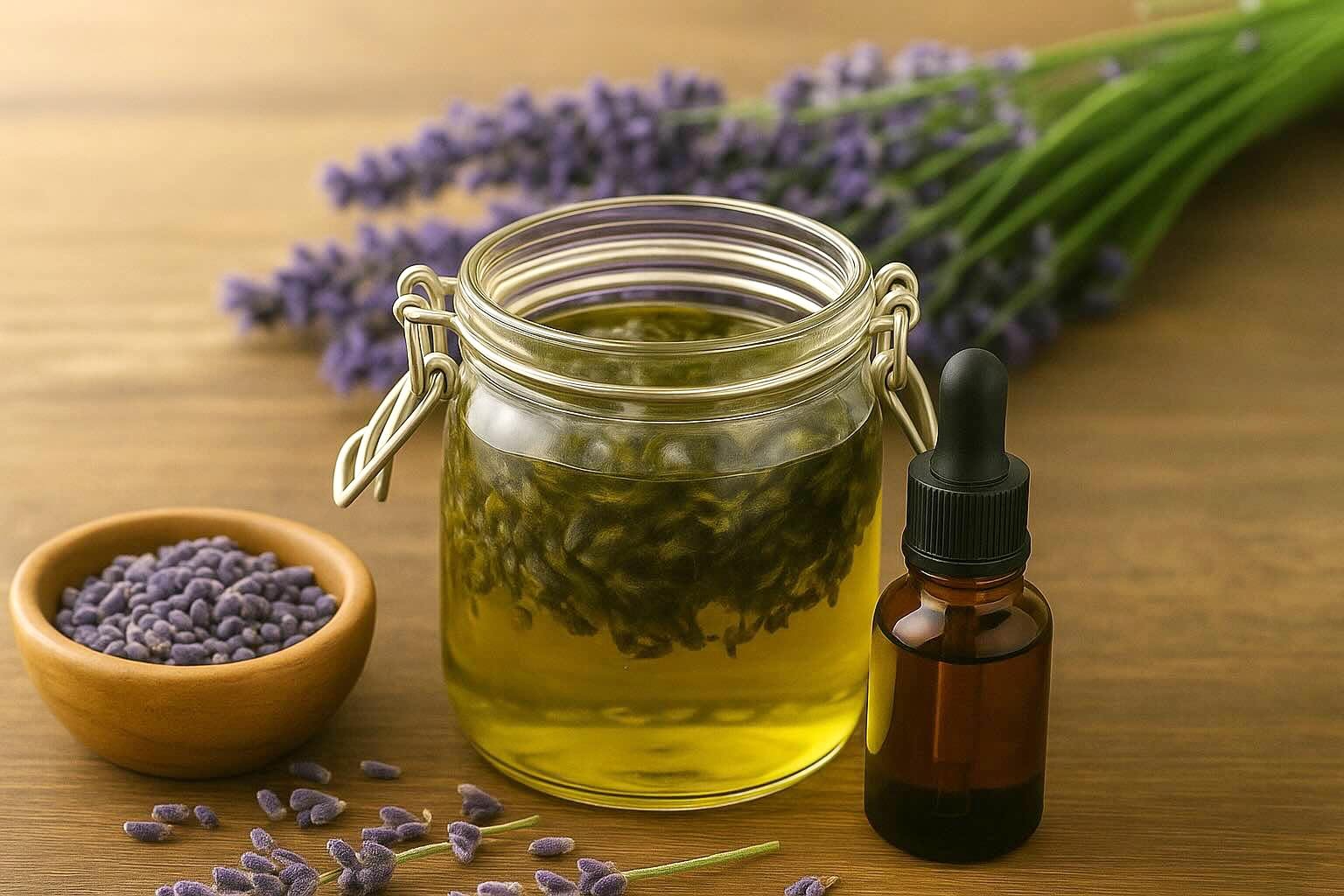
Making lavender oil is not only a simple and creative process but also a calming ritual that brings you closer to nature. Whether you use it for skincare or stress relief...
Making lavender oil is not only a simple and creative process but also a calming ritual that brings you closer to nature. Whether you use it for skincare or stress relief, a well-made lavender oil is invaluable – and the best part is, you can easily make it at home!
Why is it worth trying?
- You work with 100% natural ingredients
- You can save money compared to shop-bought oils
- Aromatherapeutic and skincare benefits – completely chemical-free
A creative, calming activity – also great as a gift
Making lavender oil step-by-step
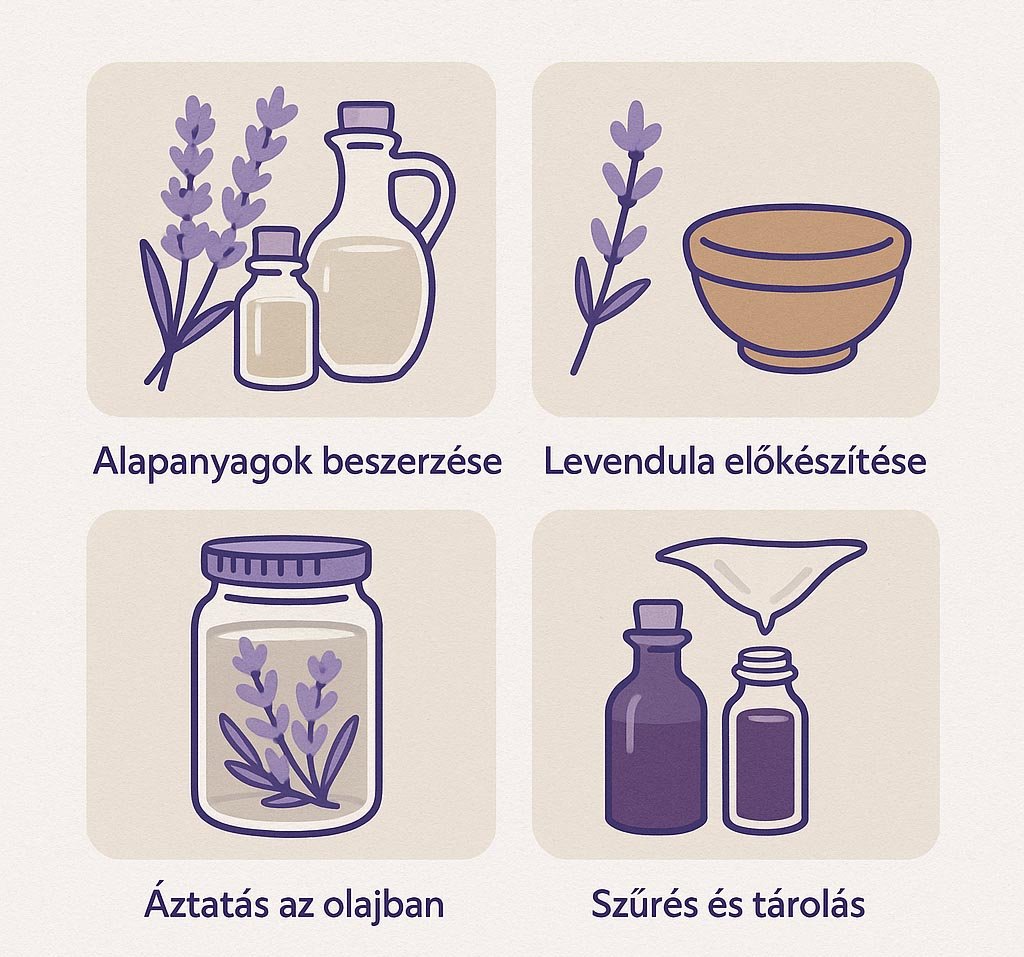
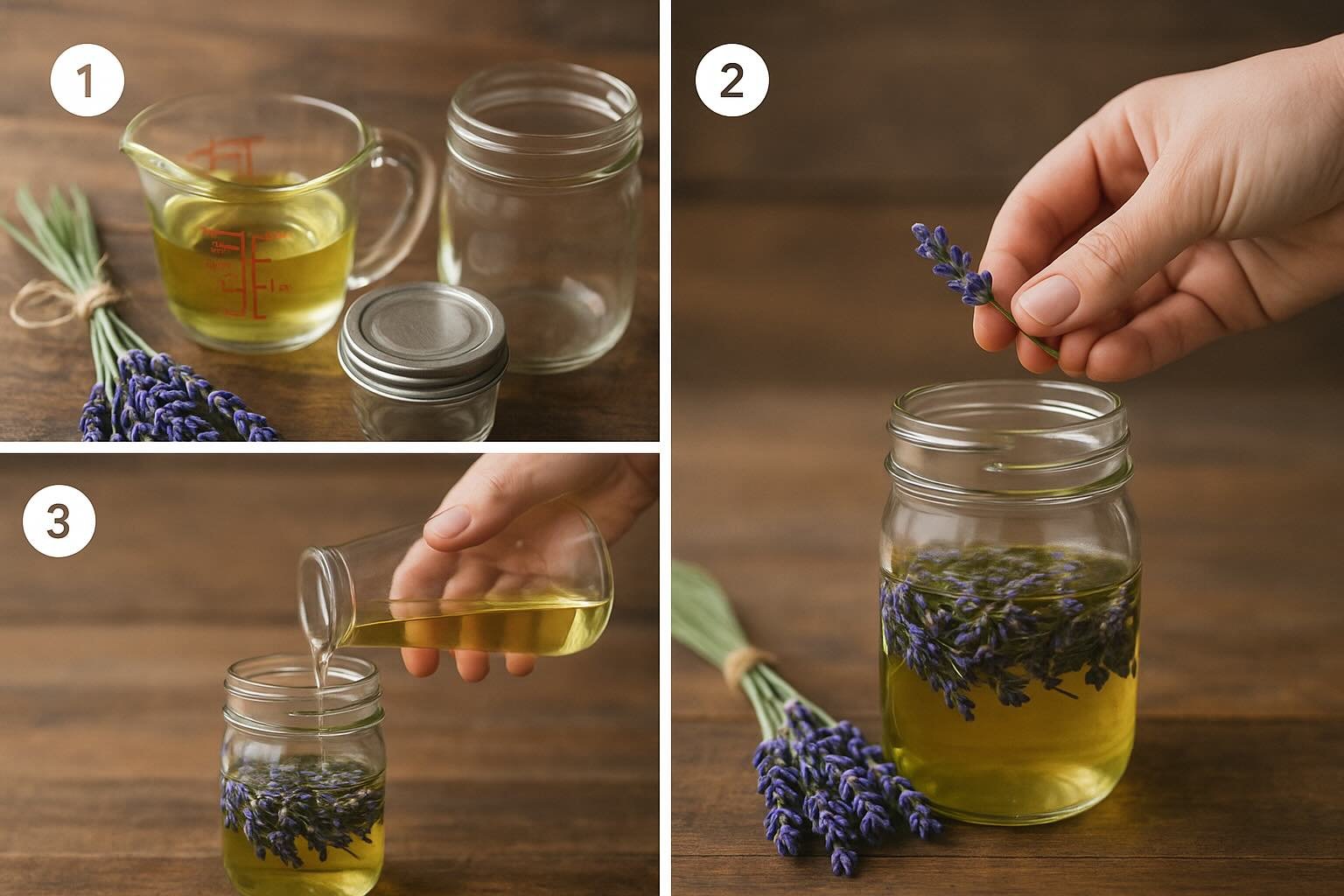
1. Sourcing ingredients
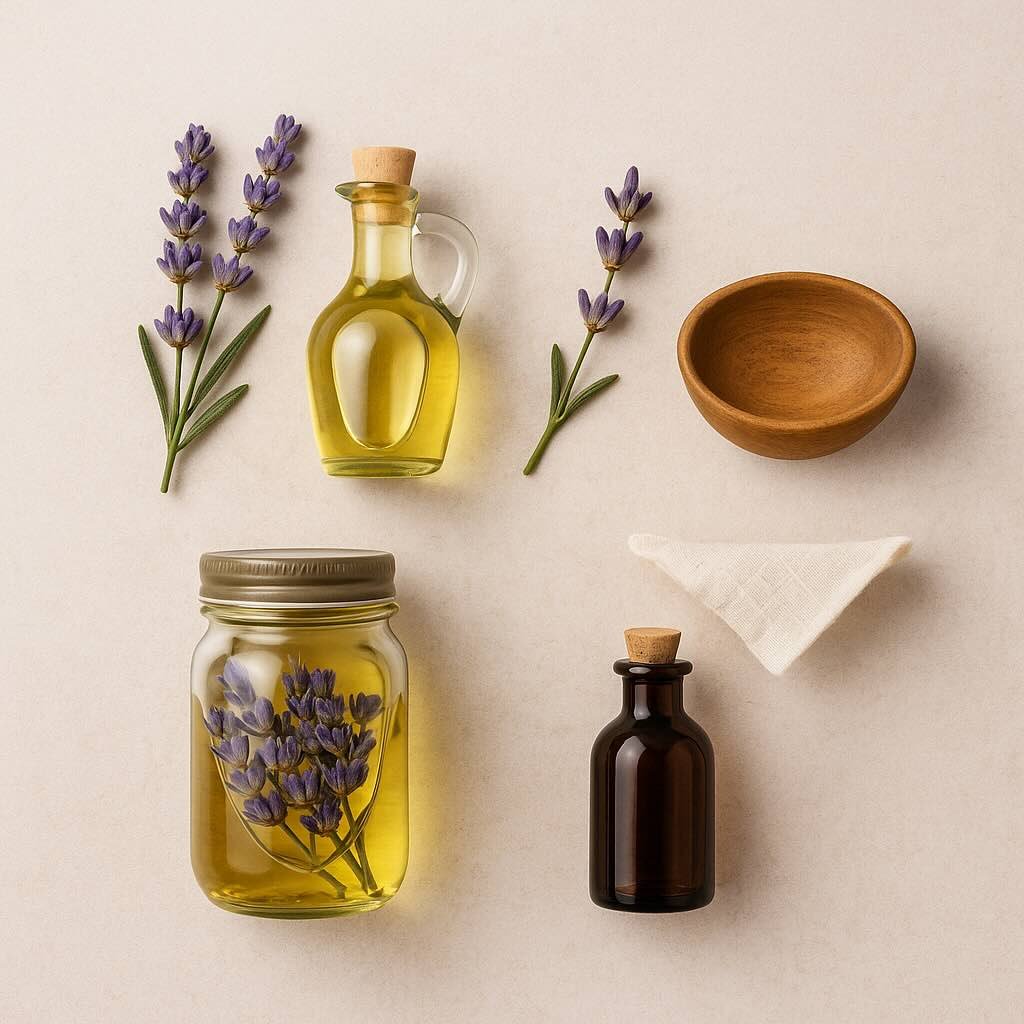
To make lavender oil, you will need the following:
- 1 cup of dried or fresh lavender flowers
- 1 cup of carrier oil (e.g., sweet almond, olive, or jojoba oil)
- Sealable jar
- Gauze or fine-mesh sieve
- Dark-coloured storage bottle
2. Preparing the lavender
Ensure the lavender is clean and completely dry. Moisture can easily cause the oil to go mouldy.
3. Infusing in oil
Place the lavender in the jar, then pour the oil over it, ensuring it's completely submerged. Seal the jar and place it in a sunny, warm spot for approximately 2–4 weeks. Occasionally shake it gently to help the active compounds infuse better.
4. Straining and storing
At the end of the lavender oil making process, strain the mixture through gauze or a sieve and pour it into a dark bottle. Store in a cool, dark place, protected from light. This way, it can last for 6–12 months.
What can homemade lavender oil be used for?
- As a massage oil – helps relaxation and reduces muscle tension
- Added to bathwater – a spoonful creates a spa-like experience
- For skincare – to soothe minor irritations, bites, and dry patches
Dropped onto a pillow – its calming effect aids sleep
Extra tip: essential oil vs. homemade lavender oil
It's important to know that making lavender oil at home is different from producing industrial essential oils. The homemade version is an infusion, meaning it's not as concentrated, but it's perfect for everyday use.
Summary
Making lavender oil is a true slow-living experience: slow, close to nature, and incredibly useful. Once you try it, you're guaranteed to always have a bottle of it on your shelf – homemade, mixed with love.
However, if you don't have the time or opportunity to make it yourself, there's no need to worry – we confidently recommend these two reliable, high-quality lavender oil products instead:
👉 doTERRA Lavender Essential Oil – 100% purity, premium doTERRA therapeutic grade
👉 CRÈEM Lavender Essential Oil – natural, domestically developed oil, a perfect choice for daily aromatherapy
This way, you don't have to miss out on the beneficial effects of lavender, even if making it yourself isn't an option right now. 🌿
Written by
Gloria Halim
Gloria Halim is an award-winning, board-certified holistic health practitioner, women’s health advocate, corporate wellbeing strategist, author and TEDx speaker, specialising in hormone health, perimenopause and women’s wellbeing. She helps high-achieving women navigate hormonal changes, reduce stress, improve energy and feel more in control of their health through practical, natural and holistic approaches. Gloria also works with organisations to create holistic wellbeing strategies that support healthier, more engaged and resilient workplaces. A breast cancer thriver, Gloria’s own health journey inspired her to look beyond symptoms and explore the powerful connection between nutrition, lifestyle, stress and overall wellbeing. She is the author of Healing Foods Healthy Foods and host of the Beyond Hormone Symptoms podcast. Gloria trained at the Institute for Integrative Nutrition in New York and is certified by the American Association of Drugless Practitioners (AADP). She also holds specialist certifications in hormone health, menopause coaching, essential emotions and aromatherapy.