
How are essential oils made?
 Gloria Halim16 Aug 2026
Essential oils are wonders of nature. These intense, fragrant essences come from plants and offer numerous therapeutic and cosmetic benefits. But how exactly are these
Essential oils are wonders of nature. These intense, fragrant essences come from plants and offer numerous therapeutic and cosmetic benefits. But how exactly are these precious oils extracted from plants? In this post, we will introduce the most common methods used to extract essential oils.
1. Steam Distillation
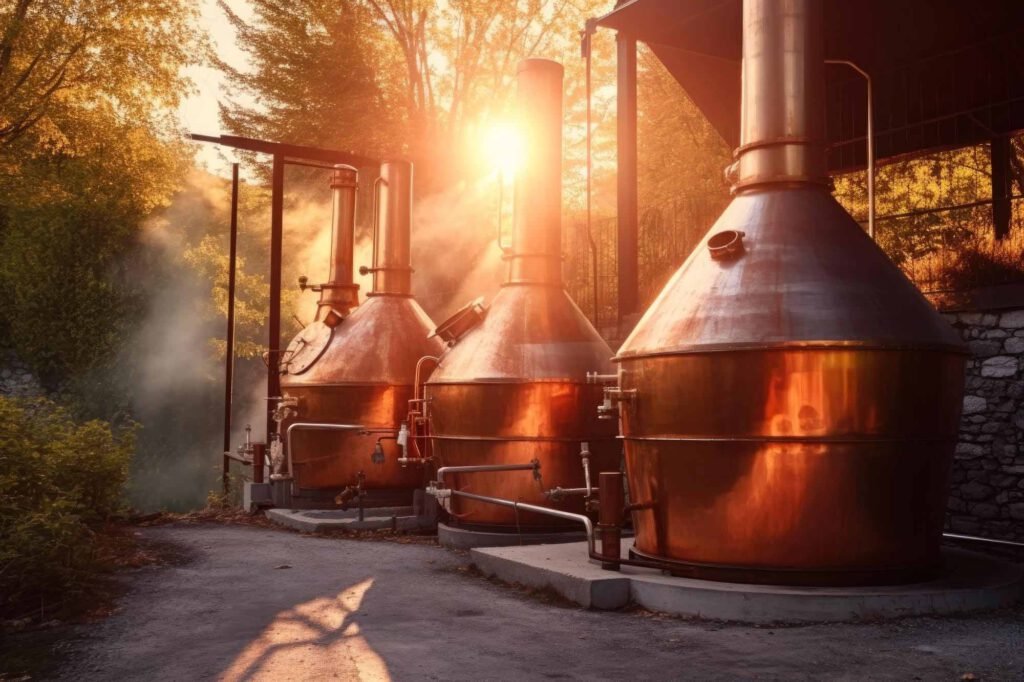
Steam distillation is one of the most common methods for producing essential oils. The plant material is placed in a vessel with water, and heat is applied underneath. As the water begins to boil, its steam passes through the plant material, carrying the essential oil molecules with it. This steam then passes through a cooling system, where it condenses and separates into two parts: the essential oil and floral water (hydrolat).
2. Hydrodistillation
This method is similar to steam distillation, but here the plant material floats directly in the water. As heat is applied, the oils in the water dissolve and rise with the steam, then separate during the condensation process.
3. Absolute Extraction
Some plants, such as jasmine or rose, are too sensitive to heat, making steam distillation unsuitable for them. In this case, the oils are extracted using a solvent. The solvent is later evaporated, leaving behind the absolute oil. These oils are often thicker and more intensely fragrant.

4. Cold Pressing
This method is exclusively used for citrus fruits, for example, in the production of orange, lemon, or grapefruit essential oils. The oils are extracted from the peels of citrus fruits; a machine presses the peel, from which the oil can be extracted in drops. As it is not exposed to heat, cold-pressed oils retain their fresh, citrusy aroma.
5. Enfleurage
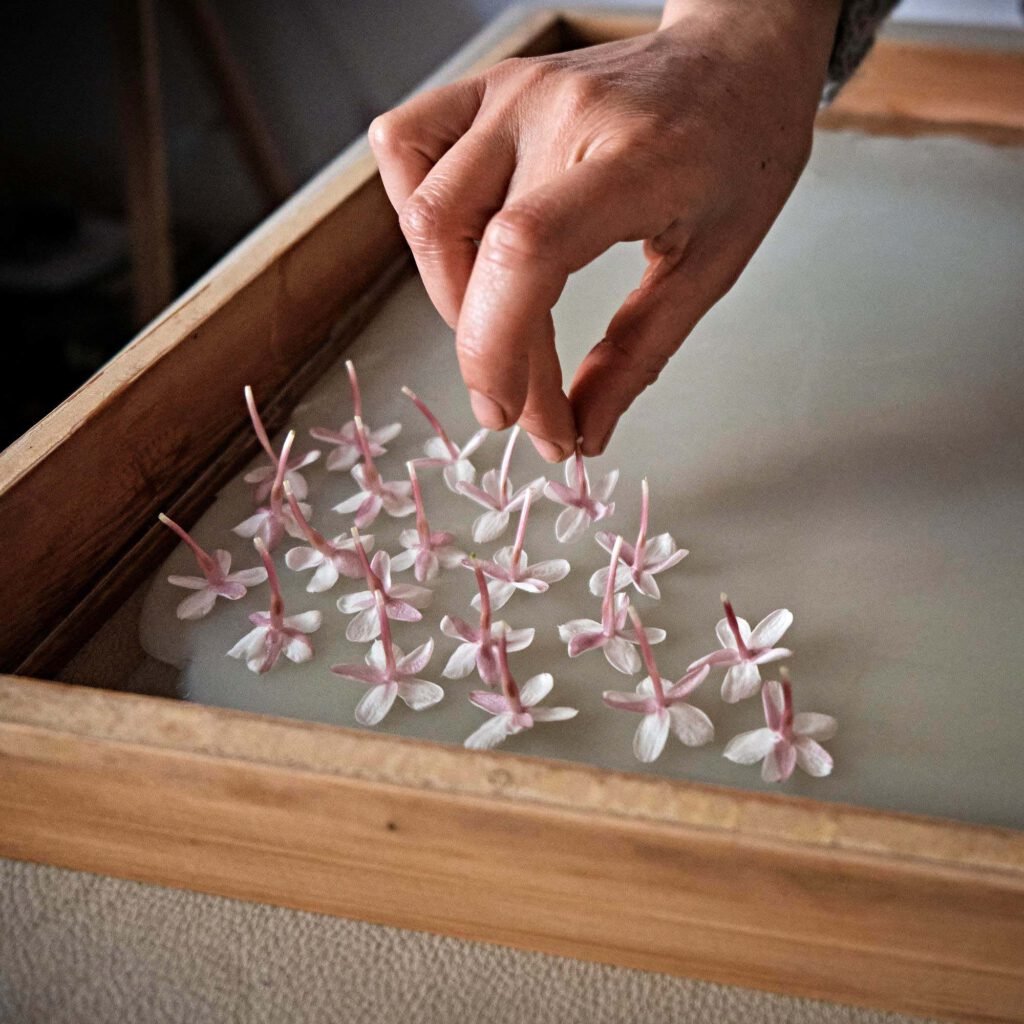
This is an old, manual process that is rarely used today as it is labour-intensive and costly. Fresh flowers are placed on a fatty substance, which absorbs the fragrances. The process is repeated several times until the fat is saturated with the scent. The oil is later extracted from the fat with alcohol.
Summary
The production of essential oils is both an art and a science. The extraction method greatly influences the oil's quality, composition, and aroma. High-quality essential oils require the correct plant material, the appropriate extraction method, and careful processing. When choosing an essential oil, it is worth being aware of the production method to make the best decision for your health and well-being.
Written by
Gloria Halim
Gloria Halim is an award-winning, board-certified holistic health practitioner, women’s health advocate, corporate wellbeing strategist, author and TEDx speaker, specialising in hormone health, perimenopause and women’s wellbeing. She helps high-achieving women navigate hormonal changes, reduce stress, improve energy and feel more in control of their health through practical, natural and holistic approaches. Gloria also works with organisations to create holistic wellbeing strategies that support healthier, more engaged and resilient workplaces. A breast cancer thriver, Gloria’s own health journey inspired her to look beyond symptoms and explore the powerful connection between nutrition, lifestyle, stress and overall wellbeing. She is the author of Healing Foods Healthy Foods and host of the Beyond Hormone Symptoms podcast. Gloria trained at the Institute for Integrative Nutrition in New York and is certified by the American Association of Drugless Practitioners (AADP). She also holds specialist certifications in hormone health, menopause coaching, essential emotions and aromatherapy.